정렬
Built on Data. Driven by AI.
SmartSyncWorks is built around data flow, not just features. With AI at its core, it
delivers scalable operational intelligence—stabilizing operations while preparing your
organization for growth.
AI · LLM · Machine Learning
3 Phase AI Adoption
First, it enables conversation through LLMs.
Second, it predicts outcomes through machine learning.
Third, it automates operations through deep learning.
Details
Technology
LLM
Details
Manual tasks performed on mobile and tablet apps are digitized into structured data. When on-site work is recorded through an LLM-based conversational interface, unstructured information is instantly transformed into data, creating the foundation for subsequent analysis and prediction.
Technology
LLM, Natural Language Processing (NLP), Conversational UI, Prompt Engineering, Document Parsing, OCR, Data Structuring, App and Web Input Interfaces
Machine Learning
Details
Machine learning analyzes accumulated operational data to identify patterns in demand, inventory, and production flows, predicting future changes to support more accurate decision-making.
Technology
Machine Learning Models, Feature Engineering, Time-Series Analysis, Demand Forecasting, Pattern Analysis, Anomaly Detection, Model Training and Evaluation
Deep Learning
Details
Deep learning integrates with physical equipment, instantly reflecting on-site data and autonomously executing repetitive operations without human intervention.
Technology
Deep Learning Models, Computer Vision, Sensor Data Processing, Physical Computing, Edge Devices, Real-Time Control

Automate core workflows using existing operational data
Malgeunmule ERP
Digitalization.
Operational Data Connected Through Tablet and Mobile Apps
Operational information previously managed through paper, handwritten records, and Excel is now directly entered via tablet and mobile apps and instantly converted into data. When task details, inspection logs, and requests from the field are recorded in the app, unstructured information is structured and accumulated as operational data.
Without the need for separate system input processes, the workflow itself becomes data, serving as the foundation for subsequent analysis, prediction, and automation.
Reference

25%
Eliminate manual input
Eliminating handwritten and paper-
based input reduces data entry time
and minimizes errors
based input reduces data entry time
and minimizes errors
15%
Real-time decision speed
App-based real-time input and
sharing minimize decision-making delays
sharing minimize decision-making delays
30%
Real-time visibility
Enhanced Operational Visibility
Real-time data collection reduces
information gaps between field
teams and management
Real-time data collection reduces
information gaps between field
teams and management
20%
Optimize operational costs
Reduced Management
CostsEliminating redundant tasks and
enabling automated records
optimizes operational resources
CostsEliminating redundant tasks and
enabling automated records
optimizes operational resources
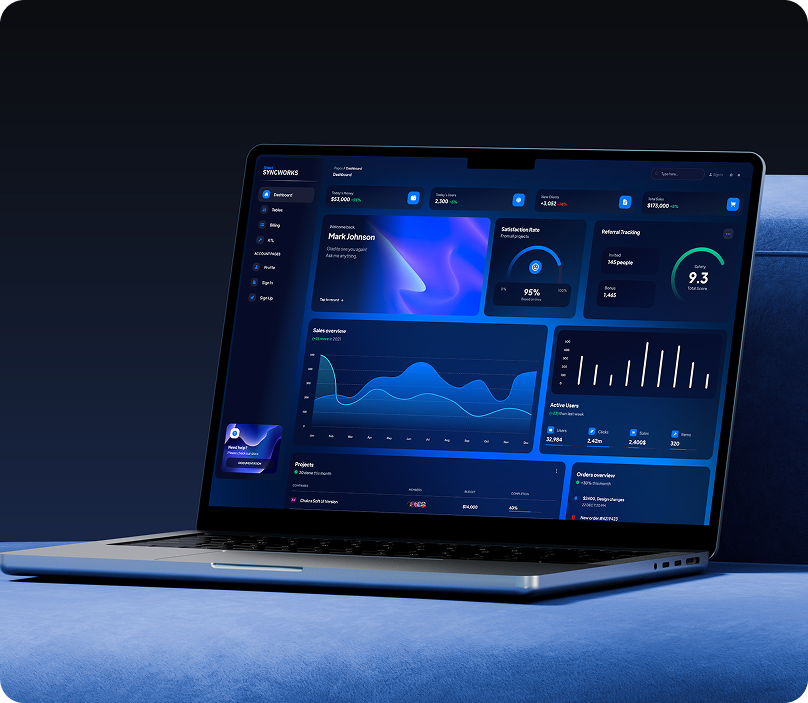
LLM Interface
Conversational ERP Query Interface
Without complex SQL or separate reporting tools, ERP data can be accessed through simple natural language conversations. The LLM-based AI interface understands user questions and instantly provides key information such as sales, inventory, and production status.
In addition, the AI chatbot automates repetitive queries, status checks, and routine tasks, reducing operational workload while improving both data accessibility and work speed. This creates an environment where anyone can quickly make data-driven decisions.
Reference


Predict demand and optimize supply chain decisions
BigsView display hardware
AI-Based Demand Forecasting
AI That Predicts Future Demand with Data
AI-based demand forecasting learns from accumulated ERP data—including sales, inventory, and production records—to predict future demand. Machine learning models analyze historical patterns, seasonality, promotions, and other variables together, continuously improving prediction accuracy as more data is collected.
This enables organizations to prevent overproduction and sudden stockouts in advance, while establishing more stable production plans and procurement schedules. It creates an operational environment that proactively responds to demand fluctuations.
Cold Chain Logistics.
Data-Driven Cold Chain
Optimized cold chain operations manage the flow of fresh products using demand forecasting and inventory data. By analyzing temperature history and logistics information, the system predicts spoilage risks and optimizes storage and outbound strategies.This helps maintain freshness while reducing waste, enabling stable and efficient cold chain operations through connected data.
Inventory Optimization
Optimizing Inventory Flow with AI
Inventory optimization combines demand forecasting results with real-time inventory data to maintain optimal stock levels. AI analyzes inventory turnover and inbound-outbound flows to reduce excess stock while ensuring the right quantity is available at the right time.
This approach lowers storage costs and operational burden while preventing disruptions caused by stock shortages. It stabilizes overall inventory operations through data-driven management.

Preparing Deep Learning for Physical AI
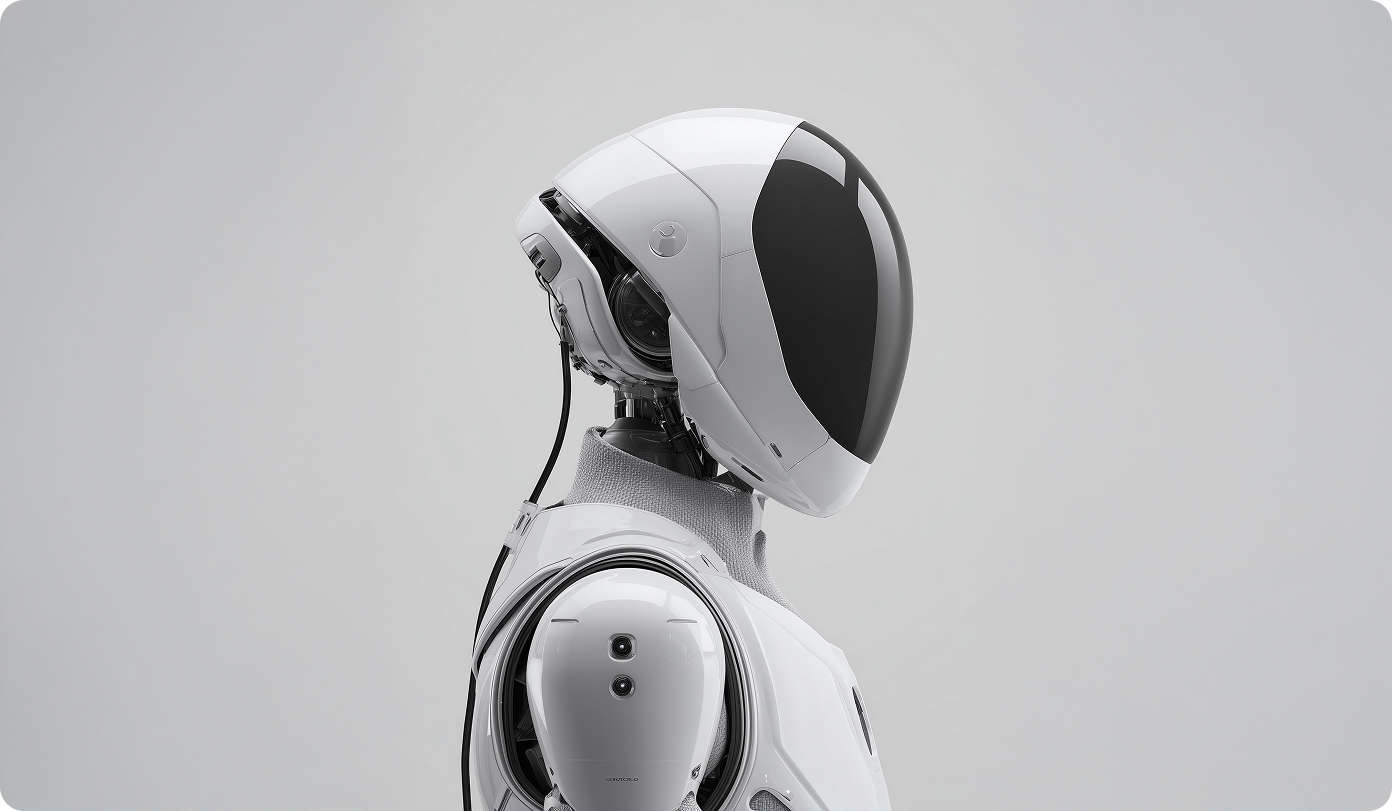
Deep Learning
& Phisical AI
Preparing Deep Learning for Physical AI
In the deep learning stage, what matters more than immediate automation is whether workflows are clearly defined as data. Tasks that rely on paper, handwritten records, and human judgment are difficult for future physical computing systems and AI robots to engage with. Elbix AI digitizes current work processes through apps and systems, structuring them into clear flows of processes, instructions, and outcomes.
This organized operational data becomes the foundation that future robots, automated equipment, and intelligent control systems can understand and execute. In this sense, deep learning is not about introducing robots immediately, but about creating the operational language required for the AI-driven factories of the future. By structuring today’s operations into data, Elbix AI prepares organizations to seamlessly transition into the coming era of Physical AI.